
"coffee growing environment"
9000 article(s) found

Panama Coffee Beans Panama Good coffee growing environment
The coffee grown in the Panamanian highlands is absolutely excellent, except for plantation coffee, which is not yet available. Panama coffee is soft, light and balanced in acidity, and its fine beans are pure in flavor and character. The first batch of coffee exported each year leaves in November, and almost all of the premium beans are shipped to France and Finland. Fine coffee is grown in the north of the country, near Colombia.

Types of coffee beans what are the requirements for the growing environment of coffee beans
Coffee fruits from Brazil (Arabica) Brazil: Santos, Bahia, Cerrado, Mogiana Peru: Chanchmayo, Cuzco, Norte, Puno Democratic Republic of the Congo: Kivu, Ituri Rwanda: Kivu Kenya: Kenny
Nicaraguan coffee beans with high quality growing environment
Nicaragua's excellent Nicaraguan coffee is among the highest in the world. It is mild and delicious, moderately grained and very fragrant. In many countries, coffee production has been seriously affected for political reasons. Nicaraguan coffee industry is no exception. The 1979 revolution forced coffee planters to flee to Miami. This was followed by a period of uncertainty, and the government considered

Coffee growing environment Yega snow caffeine unique flavor Ethiopia
What are the characteristics of Yega Chefe Coffee? the coffee tree with Sheffield was planted by monastic academics in Europe and later transferred to farmers or cooperatives. Yega Xuefei is actually constructed by the surrounding coffee communities or cooperatives, including: Hafusha, Hama, Biloya. These mountain villages are foggy, like spring all the year round, and the summer breeze is slow and cool.
Characteristics and flavor of Sulawesi coffee beans describe the growing environment
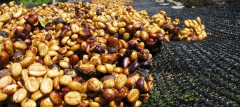
For the exchange of professional baristas, please follow the coffee workshop (Wechat official account cafe_style) Sulawesi Toraja: the main producing areas of Indonesian coffee beans are: Sumatra, Java, Sulawesi. Sulawesi is one of the largest islands in Indonesia. Sulawesi, the former Dutch colony of Sulawesi, formerly called Cele

What kind of natural environment does the coffee tree grow better? juice or coffee?
The planting conditions of coffee trees, however, not all the land located in this area can produce good coffee trees. The ideal planting conditions of coffee trees are as follows: the temperature is between 15 ℃ and 25 ℃, and the annual rainfall must reach 1500 mm to 2000 mm. At the same time, the rainfall time should be in line with the flowering cycle of coffee trees. Of course, except for the matching of seasons and rainfall

Excellent growing environment of Sidamo Coffee Flavor and Taste introduce boutique coffee beans
From the bean shape, this bean is a typical Ethiopian, small grain, the size is not very uniform, and the color is the characteristic of typical sun treatment, so it is specially compared with Harald to have the most direct grasp of the coffee flavor) to ensure the quality of each batch. Before the harvest season, Trabocca invites selected smallholder organizations / producers to participate in the production of micro-batches of coffee (about 1500
Saint Manor Panama Coffee growing Environment unique Coffee Panamanian Coffee Flavor and texture
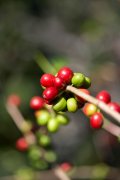
The Saint Manor, which covers an area of about 12.5ha, is a miniature estate in Panama. According to the owner, the 8.5ha varieties range from the common typica, Red Catuai and Pacamara. After 2008, a small number of areas began to grow Geisha coffee, which now accounts for nearly half of the total.

Flavor description of Costa Rican Tarazhu Coffee beans introduction to the growing environment
Costa Rica Tarazu coffee beans flavor description planting environment brief introduction to the place of origin anchor taste: bright and varied supple fruit acid, citrus, berries, raspberries, etc., after the entrance, the acid turns soft and sweet, such as caramel-like thick Body, the middle has hazelnut sweet, spice sweet, fudge, stiff flowers and cool flowers in the nose, melons, almonds, melons and sweetness.

Coffee trees can grow coffee beans in several years-introduction to the planting environment of manors in the country of origin
Coffee trees can grow coffee beans in several years. In fact, the Arabs began to grow coffee in 525 B.C., and chewing fried coffee beans became popular in the Arab region. In 890 AD, Arab merchants sold coffee beans to Yemen, and Yemenis made coffee beans into drinks for the first time. In the 15th century, coffee was introduced into Europe and Asia

The growing Environment and characteristics of Coffee trees basic knowledge of coffee
Coffee gives the public the impression that it is black, bitter and excited after drinking sleepless beverages. The coffee beans we see in the coffee shop are brown, roasted beans and amber. Coffee comes from coffee beans, which are harvested and processed from the fruits of coffee trees. Coffee trees grow at the center of the equator, south.
On the growing Environment and Flavor of Coffee in San Juan Theto, Honduras
Because Honduras is located in the tropics, the annual temperature change in San Juan Theodore is more than that.

El Salvador coffee growing environment
In the 19th century, coffee was an important cash crop in El Salvador, and the government legislated to collect taxes and encourage cultivation for export; although the coffee farmers in El Salvador did not receive technical or financial assistance, they were outstanding among many coffee-producing countries in terms of the growth of production per hectare. Coffee's output value is like a locomotive, which has great influence on the infrastructure construction and light industry development of Saudi Arabia.

Plant yield of coffee trees planting environment what provinces and cities in China can grow coffee
The planting environment of coffee trees introduces the coffee trees planted in the north-south direction and east-west direction, and there is no difference in yield. This is the orange fruit obtained by the Coffee Institute of Chulvado in a test lung. The trial material is a rejuvenated coffee tree. It is said that the coffee trees that plant in the east-west direction appear to grow more vigorously than those in the north-south direction six months after cutting off the dry and withdrawing new branches; however, to the second

A brief introduction to the flavor description of the planting environment and taste characteristics of Yunnan small-grain coffee Huaguoshan coffee beans
Yunnan small Coffee Huaguoshan Coffee Bean planting Environment and Flavor description A brief introduction to the taste characteristics of Yunnan coffee varieties have been judged, what about the excellent iron pickup and bourbon in the past? In the new promotion and planting, there are still many hills left to continue to grow old varieties of coffee, but, popularly speaking, backward places do not have the protection of origin and a single species, one mountain, 10 families, each.
Mexican Coffee Manor the growing environment of Mexican coffee beans
Mexico comes from the world's fourth largest coffee producer. It is slippery and fragrant. Mexico, the fourth largest coffee producer in the world, produces about 5 million bags of coffee a year. Most of its coffee is produced by nearly 100000 small farmers, and large estates that once manipulated the coffee industry are rare. The yield of Mexican coffee is about 630 kg per hectare. Later, the Mexican Coffee Association (Instituto)
What is the growing environment of coffee beans? What conditions must be met to grow coffee beans?
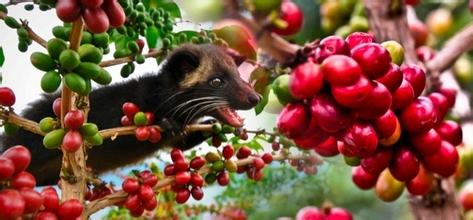
Coffee is native to tropical Africa. The origin of the small seed species is the tropical plateau of Ethiopia. It is between 900 and 1800 meters above sea level with an average annual temperature of 19. C; the mid-grain species is native to the tropical rain forest of the Congo, with an average annual temperature of 2126 at an altitude of less than 900 meters. C . Their origins are shaded or semi-shaded forests and river valleys, so the formation of coffee requires calm wind, cool and wet.

Characteristics of Regional Flavor in Guanacaster Coffee growing Environment, Costa Rica
Professional coffee knowledge exchange more information about coffee beans Please follow the coffee workshop (official Wechat account cafe_style) Guanacaster, Costa Rica. The effects of high temperature and dry climate make beans long and easy to roast. The drink is smooth, light body and acidity, with a very clear salty and bitter taste. The Guanacaster Coffee area in Costa Rica is characterized by its distribution in a smaller area.

Colombian Coffee-A Special Flavor created by Historical Environment
Columbia Coffee Historical Environment created Special Flavor Coffee knowledge Exchange more coffee bean information please follow the coffee workshop (Wechat official account cafe_style) Colombian coffee basic introduction Colombian coffee-origin in Colombia, roasted coffee beans will release a sweet flavor, with sweet in the acid, bitter taste in the good quality, because the concentration is suitable